How to Evaluate a 3PL Beyond Cost (What Actually Matters)
Slotted ·
Choosing a 3PL based on cost alone leads to poor outcomes. Learn how to evaluate fulfillment partners across capabilities, team, process, and trust.
Most 3PL decisions start the same way: a spreadsheet, a rate card, a comparison of costs per order. It feels like the right place to begin—but it’s rarely the right place to decide. Because cost doesn’t tell you how a 3PL actually operates, and it doesn’t tell you whether the partnership will work.
Why Cost Is Misleading
Cost is visible. It’s easy to compare. It creates the illusion of objectivity. But in fulfillment, cost is often the least reliable signal of fit. Two providers can quote similar rates and deliver completely different outcomes: one consistently ships on time, communicates clearly, and scales with you; the other creates friction, misses expectations, and requires constant oversight. On paper, they look the same. In practice, they are not. And the difference doesn’t show up in the rate card.
What Actually Drives Success
If cost isn’t enough, what should brands evaluate? From working with brands and providers across thousands of fulfillment decisions, four areas consistently determine whether a partnership works: capabilities, team, process, and trust—not independently, but together.
1. Capabilities: Can They Actually Support You?
This is the baseline—not what the 3PL says they can do, but what they’ve proven they can handle.
Key questions:
- Have they supported brands with similar products, volumes, and complexity?
- Do they operate in your required channels (DTC, retail, wholesale)?
- Can their systems integrate with your tech stack?
- Do they handle your edge cases—not just your standard orders?
A common mistake is assuming general capability equals specific capability. A 3PL may be excellent at high-volume, low-SKU operations but struggle with high-SKU, highly customized workflows. Fit starts with specificity.
2. Team: Who Is Actually Running Your Account?
During the sales process, everything looks polished. But the real experience is determined by the team you work with every day.
Questions to ask:
- Who will be your account manager?
- Where are they located—are they in the warehouse?
- How many accounts do they manage?
- What is their experience level?
If you don’t meet your day-to-day team before signing, you’re making a decision with incomplete information. Because the difference between a good and bad experience is often not the company—it’s the people.
3. Process: How Do They Actually Operate?
Most fulfillment issues don’t come from what happens when things go right. They come from what happens when things don’t. That’s where process matters.
Look beyond “we can handle that” and into:
- How do you handle exceptions?
- What happens when inventory arrives incorrectly?
- How are returns processed?
- How are errors identified and resolved?
Even small mismatches can create significant friction. For example, if your upstream suppliers don’t follow standardized labeling practices—and that isn’t accounted for—you’ll feel it immediately during receiving. No one is wrong—but the process wasn’t aligned.
4. Trust: Are They a Partner or a Vendor?
This is the hardest to measure—and often the most important. A strong signal of trust is transparency. Look for providers who share where they’ve struggled, explain tradeoffs clearly, and push back when something won’t work. A transactional vendor will say yes to everything. A real partner will challenge you—not to slow you down, but to protect the outcome.
The Signals That Actually Matter
When evaluating 3PLs, small signals often reveal more than formal proposals.
How they communicate: Are they prepared for meetings? Do they ask thoughtful questions? Do they follow up clearly?
How they handle detail: Do they engage deeply with your data, or do they stay high-level?
How they explain pricing: Is it clear and structured, or overly complex and difficult to model? If you need a complex spreadsheet just to understand your costs, that complexity will likely show up elsewhere.
The Warehouse Test
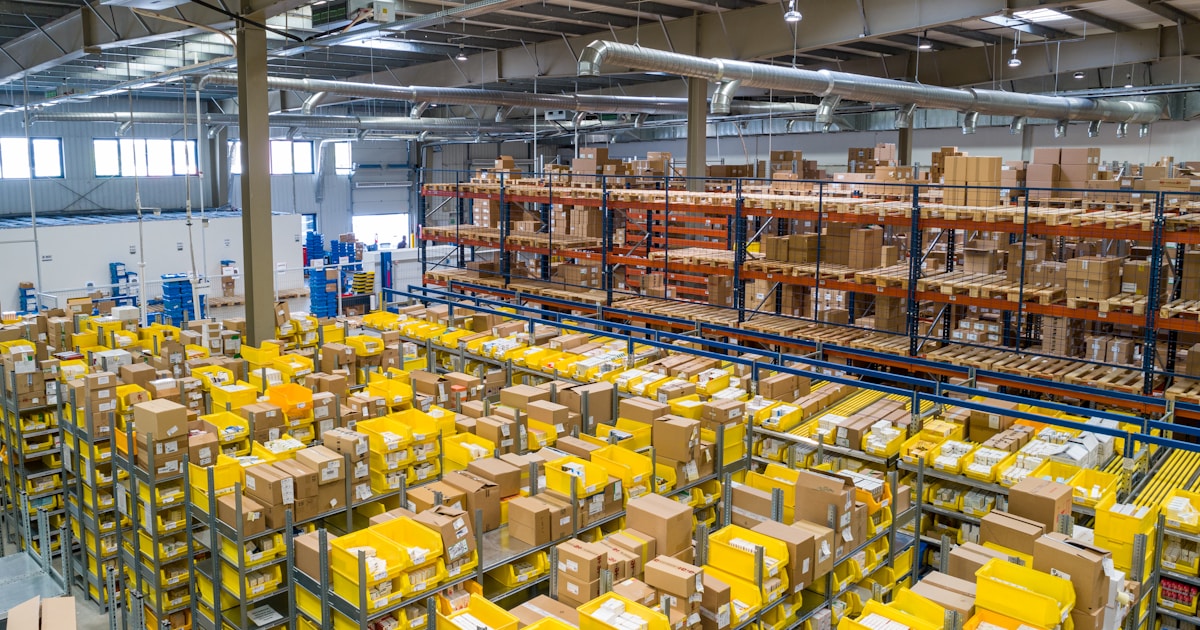
At some point in the process, you should visit the facility where your operations will run. This isn’t a formality—it’s a critical step. You’re looking for cleanliness and organization, how associates operate on the floor, the types of brands they support, and the overall pace and structure of the environment. If you don’t see it, you don’t fully understand what you’re buying.
The System Test
Your primary interaction with a 3PL won’t be through people—it will be through their systems. Before signing, walk through their WMS or portal, understand how orders flow, see how inventory is tracked, and evaluate reporting and visibility. If the system creates friction during evaluation, it won’t improve after onboarding.
The Missing Piece: It’s Not One-Sided
Brands evaluate 3PLs—but the best 3PLs are evaluating brands just as carefully. They’re asking: Is this operationally scalable? Are expectations realistic? Will this be a productive partnership? If a provider is selective, that’s a good sign—it means they’re protecting fit, not just filling capacity.
A Better Way to Evaluate
A strong 3PL evaluation process isn’t about gathering more options—it’s about creating more clarity. That means structuring your data upfront, defining your must-haves vs nice-to-haves, asking consistent detailed questions, comparing providers across the same framework, and most importantly, not rushing the decision. Because speed in selection often leads to slowness later—in the form of issues, rework, and transitions.
Final Thought
Cost is easy to compare. Fit is harder to understand. But in fulfillment, fit is what determines whether the partnership works. Evaluate accordingly.